According to the Province Public Health Office in Baglung, the total number of people living with HIV in the district has reached 219. The highest number of cases is reported from Baglung Municipality, followed by fewer cases in Tarakhola Rural Municipality.
The breakdown of cases is as follows: Baglung Municipality – 61, Kathekhola Rural Municipality – 23, Tarakhola – 3, Tamankhola – 5, Nisi Khola – 5, Badigad – 13, Bareng – 3, Jaimini Municipality – 22, Galkot Municipality – 25, and others – 38. Among the infected, 21 are under 18 years of age.
Senior Leprosy Inspector Devprakash Ghimire of the Public Health Office noted that last year, out of 20,000 tests, 10 individuals were confirmed HIV positive. “Most of the HIV-positive cases are people who returned from employment in India,” he said.
Ghimire added that maintaining confidentiality while bringing patients under regular treatment remains challenging. He emphasized the need for intensive efforts to achieve the 2030 target of 95% identification, treatment, and prevention coverage for HIV. Currently, Nepal’s HIV detection rate stands at 93%, treatment coverage at 86%, and control at 77%, highlighting the challenge ahead.
HIV transmission primarily occurs through unprotected sexual contact, blood transfusions, and drug use. Infected individuals face higher mortality when they contract chronic or fatal diseases, including tuberculosis and hepatitis.
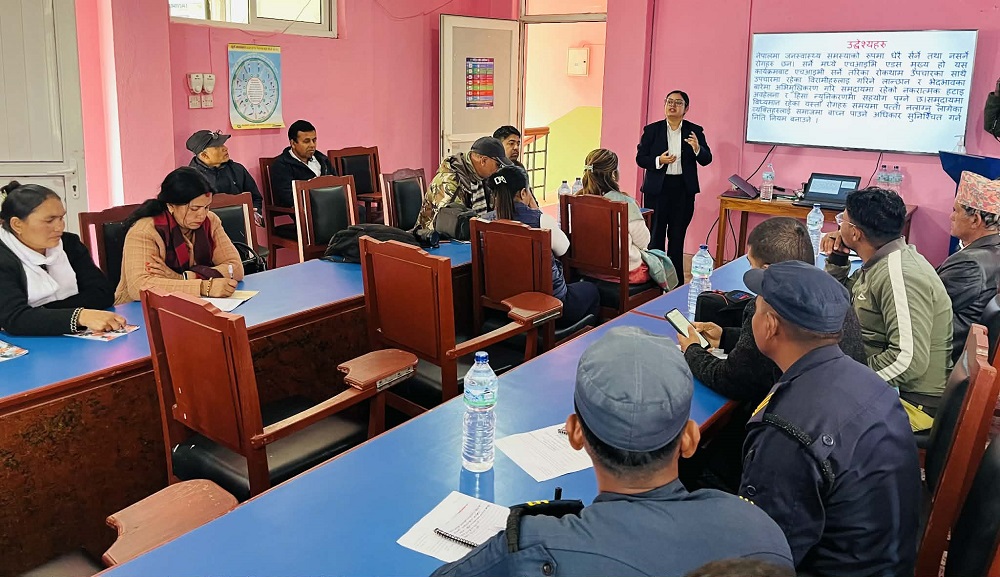
The health office is also working on community awareness, preventive measures, and interventions to prevent mother-to-child transmission during pregnancy. Although free antiretroviral drugs are available at the Dhaulagiri Hospital ART Centre, access and willingness to seek treatment remain issues. The Dhaulagiri Positive Group actively delivers medication to the community, and patients from Burtibang Hospital and elsewhere have received treatment through Dhaulagiri Hospital.
Senior Public Health Administrator Pravin Sharma stated that the office is working to reduce infection rates, minimize stigma and discrimination, prevent new infections, and lower mortality, while continuing efforts in detection, treatment, and prevention throughout the district.
About the Author