A drone attack has targeted the U.S. Embassy in Riyadh, the capital of Saudi Arabia. Saudi Arabia’s Ministry of Defense confirmed that two drones were launched at the embassy.
According to the ministry, preliminary assessments suggest the drones were intended to damage the embassy building. In an official statement posted on the social media platform X, authorities said the attack caused a minor fire within the embassy premises and partial damage to the building.
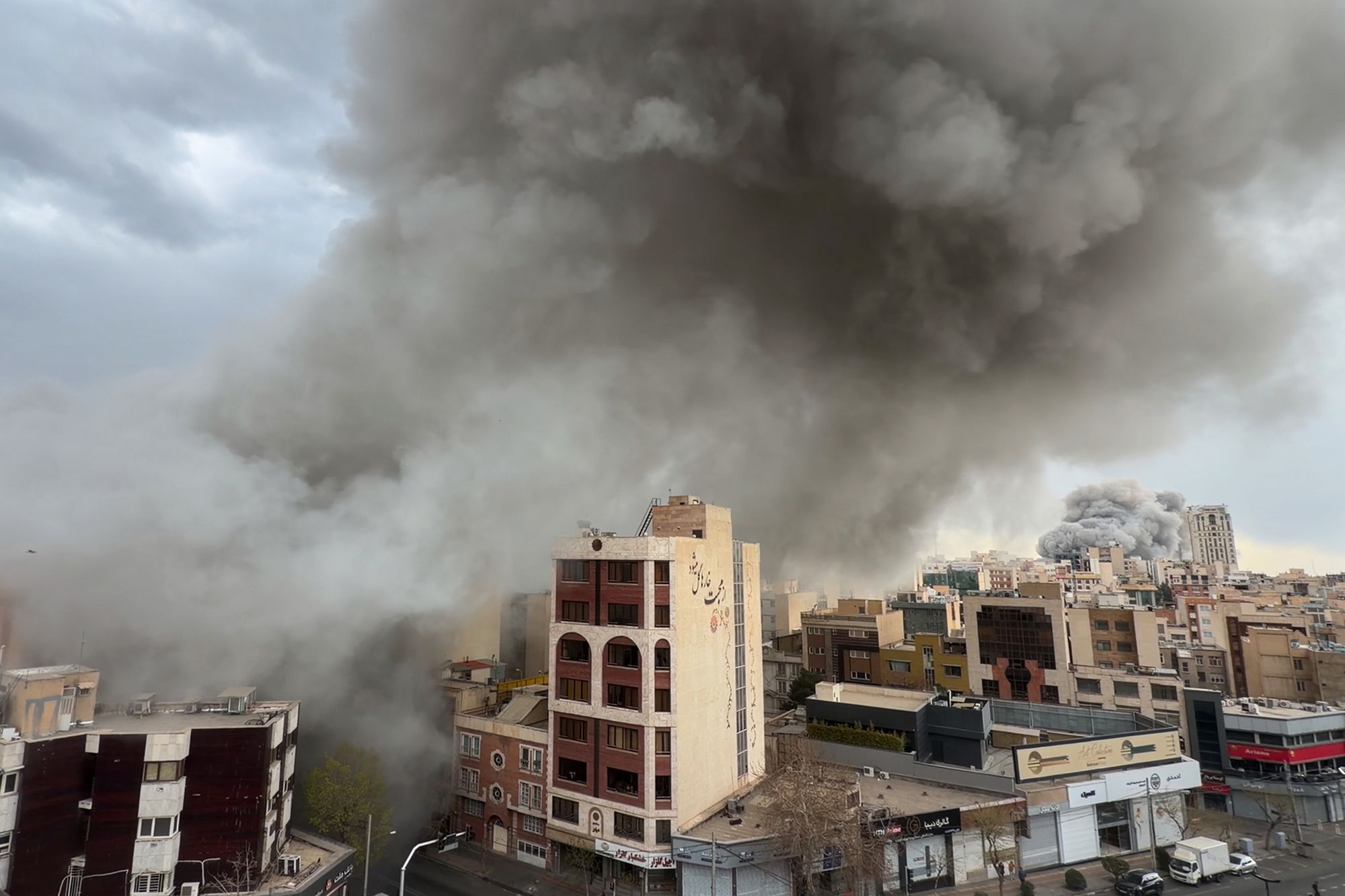
According to Reuters, a loud explosion was heard immediately after the attack, and thick black smoke was seen rising into the sky above the embassy area. However, no human casualties have been reported as the building had been evacuated prior to the incident.
Following the attack, the U.S. mission in Saudi Arabia urged its citizens and staff to maintain heightened security vigilance. The mission issued a “shelter in place” advisory for American citizens in Riyadh, Jeddah, and Dhahran, and warned against non-essential travel to any military installations in the region.
The attack comes amid ongoing tensions between Israel and Iran. After recent claims that Iran’s Supreme Leader Ali Khamenei had been killed in an attack allegedly carried out by Israel and the United States, Iran has reportedly been targeting U.S. and Israeli military bases and embassies across Gulf nations in retaliation.
Earlier on Monday, suspicious smoke was also reported near the U.S. Embassy in Kuwait, prompting the diplomatic mission there to advise the public to remain alert. Since Iran’s warning of retaliation, incidents of drone and missile attacks have reportedly increased across various Gulf countries.
The escalating tensions in the Middle East have also left Nepali migrant workers in the region deeply concerned. The recent death of Nepali security guard Diwas Shrestha from Gorkha in a similar attack at an airport in the United Arab Emirates has further heightened anxiety within the Nepali community. With frequent warning sirens and drones visible in the skies over Saudi Arabia, Kuwait, and the UAE, many Nepalis working in these countries are feeling increasingly unsafe.
About the Author