The special convention of the Nepali Congress is more than just a routine event in the party’s long history—it is a product of extraordinary political circumstances and intense debate. Such bold exercises emerge when a living party faces questions about its existence, credibility, and future direction.
In the past, Gagan Thapa and his allies stood at a complex crossroads: on one side was the inertia of surrender to the established leadership of Sher Bahadur Deuba, and on the other, the courage to restructure the party with a fresh perspective. Through this special convention, Gagan and his team have demonstrated strategic acumen that revitalized the party.
Whether this is a reflection of their personal capability or a collective outburst of long-suppressed dissatisfaction among party workers remains to be seen; the full impact will be revealed by the results of future political developments.
Leadership Beyond Titles
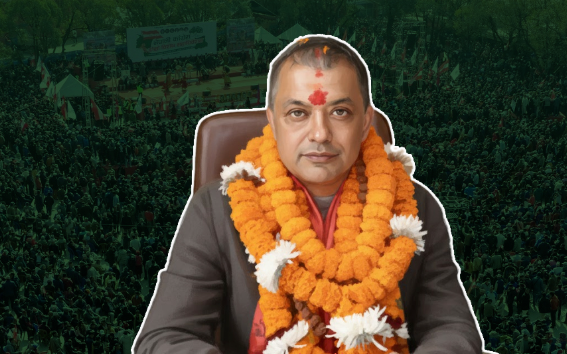
Gagan Thapa’s rise is not merely a reshuffling of leadership—it is a declaration of the party’s ideological, organizational, and ethical revival. His emergence carries a trinity of emotions: excitement, expectation, and risk. His vision has translated this hope into actionable strategies for change.
A Symbol of Youth and Change
Thapa has long been a symbol of youth and hope within Congress. His assertive presence in Parliament, his clarity on healthcare and democratic institutions, and his advocacy for continuous reform—whether in government or opposition—have set him apart from traditional leaders. His election as president reflects both the discontent with Deuba-era politics and a desire for ideological renewal within the party.
Agenda for Transformation
Gagan Thapa’s leadership is centered on five key areas:
- Organizational Restructuring: His focus is on building a party that functions on principles, not factions, where responsibility—not position—is emphasized. From ward to central levels, he aims to modernize the structure, implement digital membership systems, and conduct transparent internal elections.
- Ideological Clarity: Amid accusations that Congress is a confused centrist party, Thapa faces the challenge of translating democratic socialism into practical policies on education, healthcare, employment, and social security.
- Youth-Friendly Politics: For Thapa, leadership is meaningful only if young people under 40 occupy decision-making positions and have access to employment, startups, and entrepreneurship opportunities.
- Good Governance and Ethical Politics: Thapa must apply strong legal and ethical standards to his own party, ensuring corrupt leaders do not receive tickets and clean, capable individuals are promoted.
- Redefining Power: He emphasizes that power is a tool for societal transformation, not personal gain. Breaking the culture of patronage that thrived under Deuba will be a key test of his leadership.
Internal Challenges
Thapa’s greatest risk is not from opposition parties but from entrenched factions within Congress. Leaders long accustomed to controlling power and resources may resist his reforms. Navigating internal dissent while promoting meaningful change will be crucial.
The Stakes of Transformation
The special convention places Thapa at a decisive point in history. Half-hearted reforms will no longer suffice. Either the party undergoes deep transformation, or it risks long-term decline. Success would not only restore Congress as a central ideological force in Nepal but also strengthen democracy itself. Failure, however, could relegate the party to history and accelerate the rise of alternative political forces.
Gagan Thapa stands at a defining moment. His ability to lead with courage, clarity, and continuity will determine whether he becomes a transformative leader in Nepali Congress’s history—or a missed opportunity in its long political saga.
About the Author