The government has decided to form a high-level probe commission to investigate incidents of police suppression, vandalism, arson, and looting that occurred during the recent Genji movement.
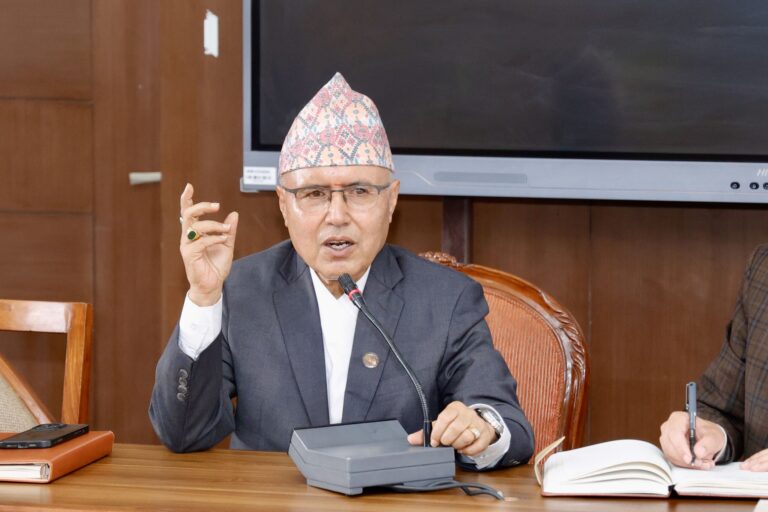
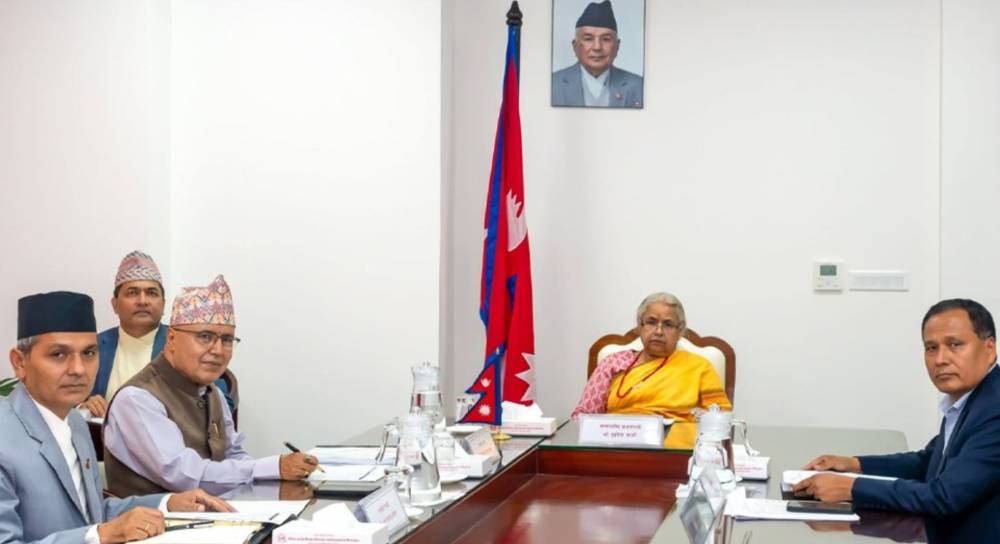
At a cabinet meeting held on Sunday, Home Minister Om Prakash Aryal announced that the commission will be led by former Special Court Chair and ex-Justice Gauri Bahadur Karki. The three-member commission has been given a three-month mandate to complete its investigation.
The cabinet also decided to reappoint Dr. Manoj Kumar KC as the chief of the Central Investigation Bureau (CIB) of Nepal Police. KC had previously spearheaded investigations into the fake Bhutanese refugee scam but was reportedly removed from his post under pressure from the former ruling coalition. He had also investigated the high-profile Lalita Niwas land scam.
However, the government has yet to make any decision on the Genji movement’s core demand of strong action against corruption, prompting dissatisfaction among injured protesters. Many wounded citizens entered the Singha Durbar complex on Sunday and reportedly confronted Prime Minister Sushila Karki and Home Minister Aryal, accusing the government of indifference toward corruption investigations.
Instead of addressing corruption-related demands, the cabinet meeting held later in the evening focused on other administrative decisions. It appointed Manoj Silwal as the new Executive Director of the Nepal Electricity Authority (NEA), transferring the current director Hitendra Dev Shakya to the Water and Energy Commission. Earlier, on March 24, the previous government had controversially replaced the popular former NEA chief Kulman Ghising with Shakya.
To support industries, businesses, and economic activities affected by the protests, the government, Nepal Rastra Bank, and insurance companies will introduce relief programs. According to Finance Minister Rameshwar Khanal, the cabinet decided to provide up to 50% customs duty discounts on materials imported for reconstruction and to temporarily halt expenses on small projects costing less than 30 million rupees.
The government will also establish a “Reconstruction Fund” to rebuild damaged physical infrastructure. Nepalese citizens at home and abroad will be able to contribute voluntarily to this fund, Khanal added.
About the Author