
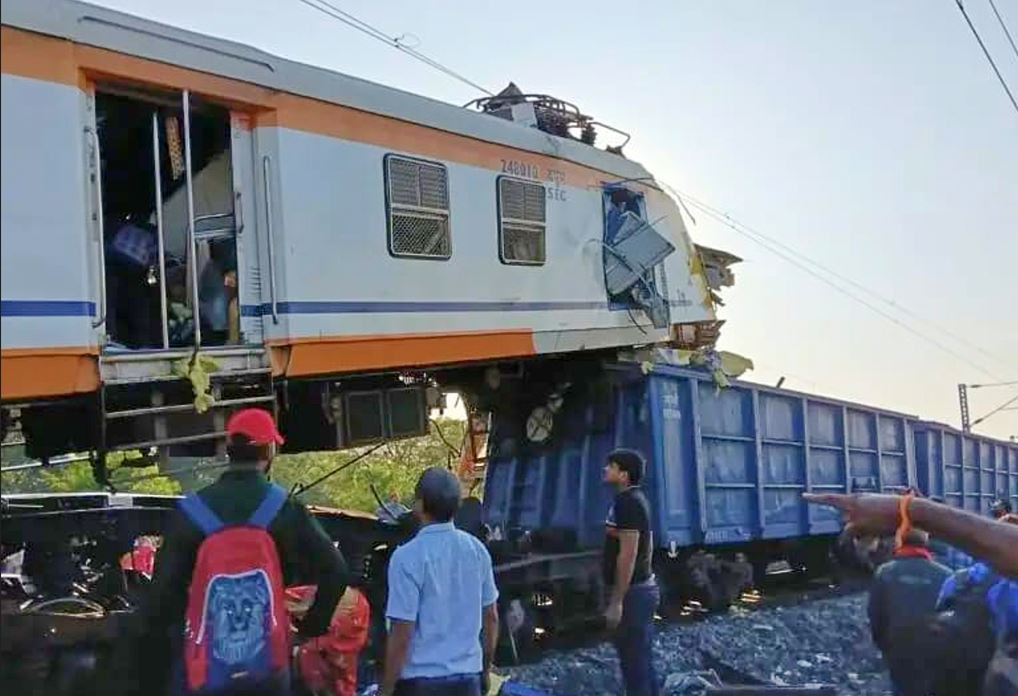
At least 11 people were killed when a passenger train collided with a freight (cargo) train in central India on Tuesday night. The accident occurred near Bilaspur, about 115 kilometers (70 miles) northeast of Raipur, the capital of Chhattisgarh state.
According to senior government official Sanjay Agrawal, the local passenger train rammed into the rear of a cargo train, causing one of its coaches to mount on top of a freight wagon.
Rescue workers labored for hours, using metal-cutting equipment to retrieve bodies trapped inside the wrecked coach. Agrawal said three additional bodies were later found during the recovery operation.
By Wednesday morning, the rescue efforts were completed, and rail traffic resumed through the affected route, he confirmed.
Among the deceased was the train’s locomotive driver, while the female co-pilot, who sustained serious injuries, is being treated at a private hospital. Around 20 passengers were injured in the crash and were taken to nearby hospitals for treatment.
The Indian Railways issued a statement saying that a detailed investigation into the cause of the accident has begun and promised financial assistance to the families of the deceased and injured.
Chhattisgarh Chief Minister Vishnu Deo Sai expressed deep sorrow over the tragedy and extended heartfelt condolences to the bereaved families.
Rail accidents are, unfortunately, not uncommon in India. With more than 14,000 trains operating daily and over 12 million passengers traveling across a 64,000-kilometer network, safety challenges persist.
Despite ongoing government efforts to improve railway safety, hundreds of accidents occur each year, often attributed to human error or outdated signaling systems.
In 2023, a major rail disaster in eastern India claimed the lives of over 280 passengers, one of the deadliest train accidents in the country’s history.
About the Author