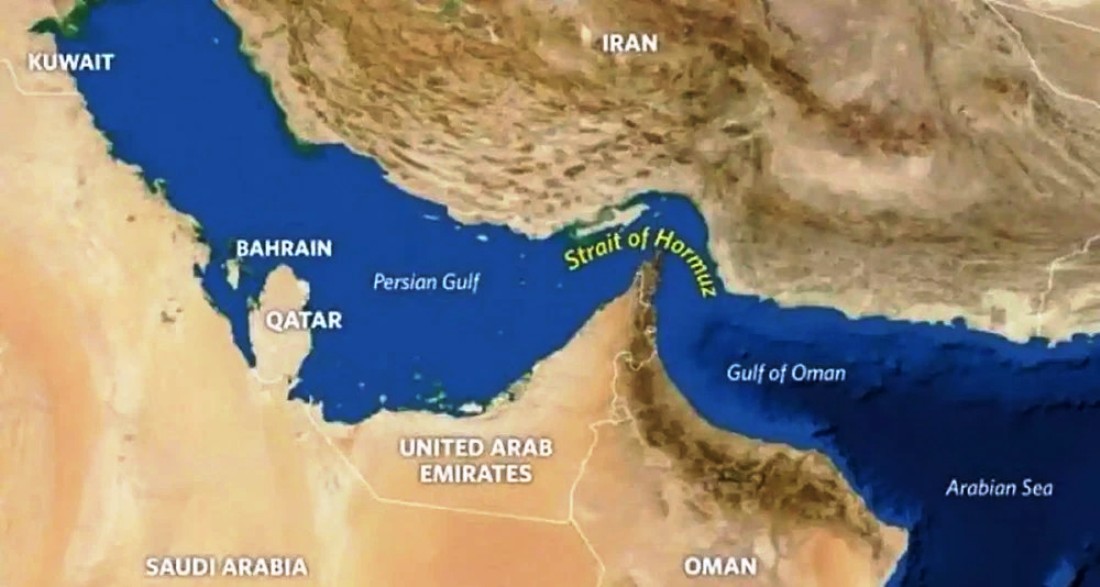
As the war in the Middle East enters its fifth day, Iran has claimed it has “full control” over the strategically vital Strait of Hormuz, a key route for global energy supplies. Meanwhile, Israel has announced new attacks in Iran and Lebanon, signaling further escalation of regional tensions.
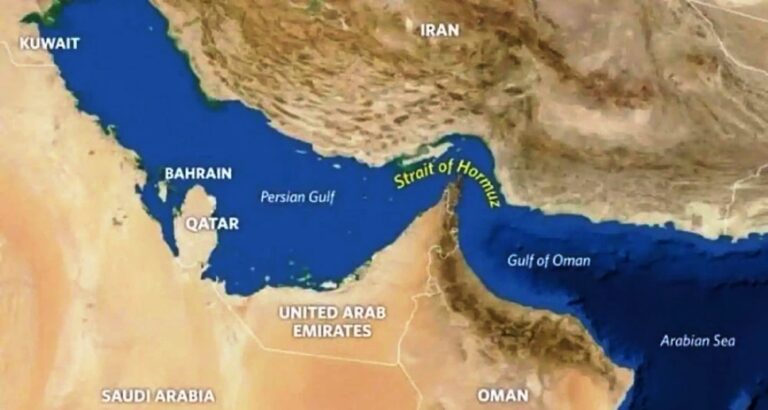
Iran’s Islamic Revolutionary Guard Corps warned that any vessel passing through the Strait of Hormuz could face missile or drone attacks. The waterway is considered one of the most sensitive maritime routes for global oil and gas transportation. U.S. President Donald Trump stated that the U.S. Navy is prepared to escort oil tankers if necessary.
The Revolutionary Guards also claimed to have launched more than 40 missiles targeting U.S. and Israeli positions. Amid the conflict, Iran announced that a three-day state funeral for Supreme Leader Ayatollah Ali Khamenei would begin Wednesday evening. Iran claims Khamenei was killed in a U.S.-Israeli attack on Saturday, after which the conflict intensified. Israel’s Defense Minister has warned that any potential successor could also become a “target for assassination.”
On Wednesday morning, missiles launched from Iran triggered air raid sirens in Jerusalem and Tel Aviv. The Israeli military said it was working to neutralize the threats. Although a fire was reported near Jerusalem, there were no immediate reports of casualties.
Meanwhile, Sri Lanka reported that an Iranian frigate carrying 180 crew members sank outside its territorial waters, though the cause remains unknown. Sri Lanka’s Foreign Minister said ships and aircraft had been dispatched to rescue 30 Iranian sailors aboard the Iris Dena. Admiral Brad Cooper, who leads U.S. forces in the Middle East, stated that nearly 2,000 targets in Iran have been struck so far.
According to him, Iran’s air defense infrastructure has been severely damaged, and hundreds of ballistic missiles, launchers, and drones have been destroyed. In Beirut, exchanges of attacks and rocket fire between Israel and Hezbollah were reported, with explosions heard across the city. Lebanon’s Health Ministry said at least six people were killed and eight injured in Israeli strikes in southern Beirut.
State media reported five additional deaths in the Hazmiyeh suburb of Beirut and in the eastern city of Baalbek. Saudi Arabia stated it had intercepted two cruise missiles and nine drones south of the capital, Riyadh. A drone was also shot down near Baghdad International Airport in Iraq, according to security sources. Qatar reported dismantling two espionage cells linked to Iran’s Revolutionary Guards and arresting 10 suspects.
The Israeli military claimed it had launched a “large-scale assault” on Iran, striking dozens of targets including a security command center in Tehran. Witnesses reported a fire at the U.S. Consulate in Dubai following a drone attack.
The U.S. State Department has authorized the departure of non-emergency personnel and their families from Saudi Arabia and Oman due to security concerns. It has also arranged charter flights to evacuate U.S. citizens from Jordan, Saudi Arabia, and the United Arab Emirates.
The war’s impact is being felt globally. Asian stock markets have recorded sharp declines, with Seoul’s benchmark index falling by more than 12 percent. Meanwhile, crude oil prices have surged amid fears of supply disruptions.
About the Author