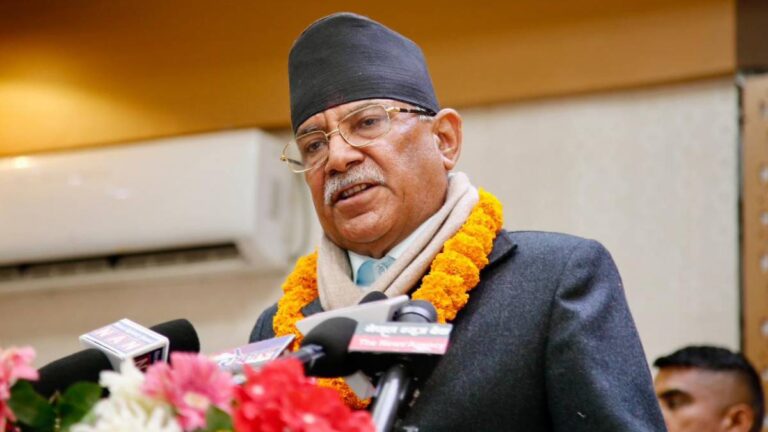
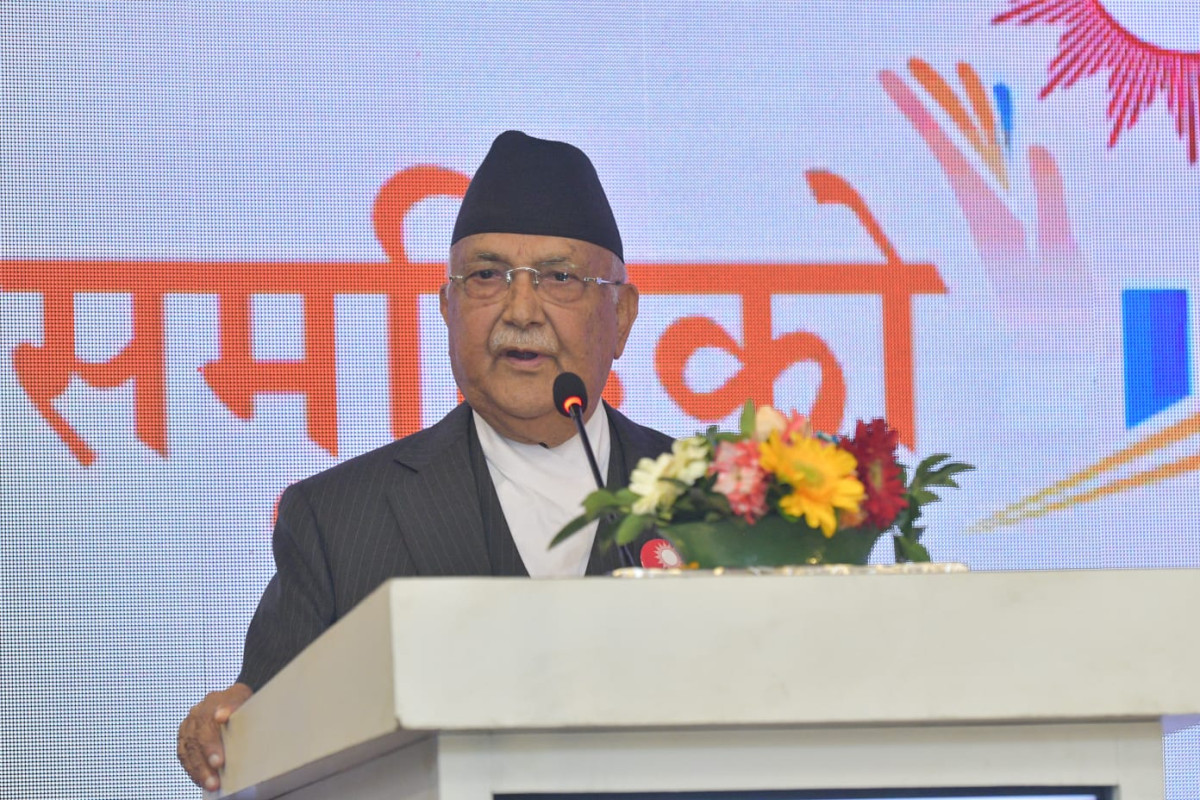
Chairperson of the Communist Party of Nepal (Unified Marxist–Leninist), KP Sharma Oli, has alleged that the Rastriya Swatantra Party (RSP) has concluded that it cannot win the election and is therefore attempting to disrupt the electoral process.
Speaking to journalists at Bhadrapur Airport on Saturday while heading to his constituency in Jhapa, former Prime Minister Oli claimed that the RSP appears willing to allow elections only if the results favor them, otherwise attempting to derail the process. He said recent incidents suggest that the party is trying to disturb the election environment.
Stating that elections should not be manipulated, Oli emphasized that polls must be conducted within the framework of existing laws, ensuring fair and healthy competition in a peaceful atmosphere free from fraud. He added that voters must be able to cast their ballots freely and without fear.
Oli expressed concern that the current election environment is not entirely peaceful, alleging attempts to incite unrest. He noted that concerns have been raised from various sectors and that some voices are calling for resolving conflicts before proceeding with elections. While acknowledging that there may be multiple factors behind the tensions, he said there are also ways to address them.
Referring to violent incidents that occurred on Bhadra 23–24, he said unpleasant events took place due to a lack of responsibility among political parties. He described incidents involving loss of life, arson, looting, vandalism, destruction of public property and key state offices, as well as attacks on industrial areas, political party offices, and the property of party leaders and cadres. He termed such acts as the beginning of a criminal mindset in Nepali society.
Oli also commented on the writ petition filed against the dissolution of Parliament at the Supreme Court of Nepal. He said it was practically meaningless for the court to set a routine hearing date after the elections, arguing that such a major constitutional issue should have been decided in a timely manner.
He stated that while a post-election verdict might establish a legal precedent, justice must be meaningful and timely. “A decision delivered after the election would be like expired medicine,” he remarked, expressing dissatisfaction that the Supreme Court had not issued a verdict sooner on such a significant constitutional matter.
About the Author