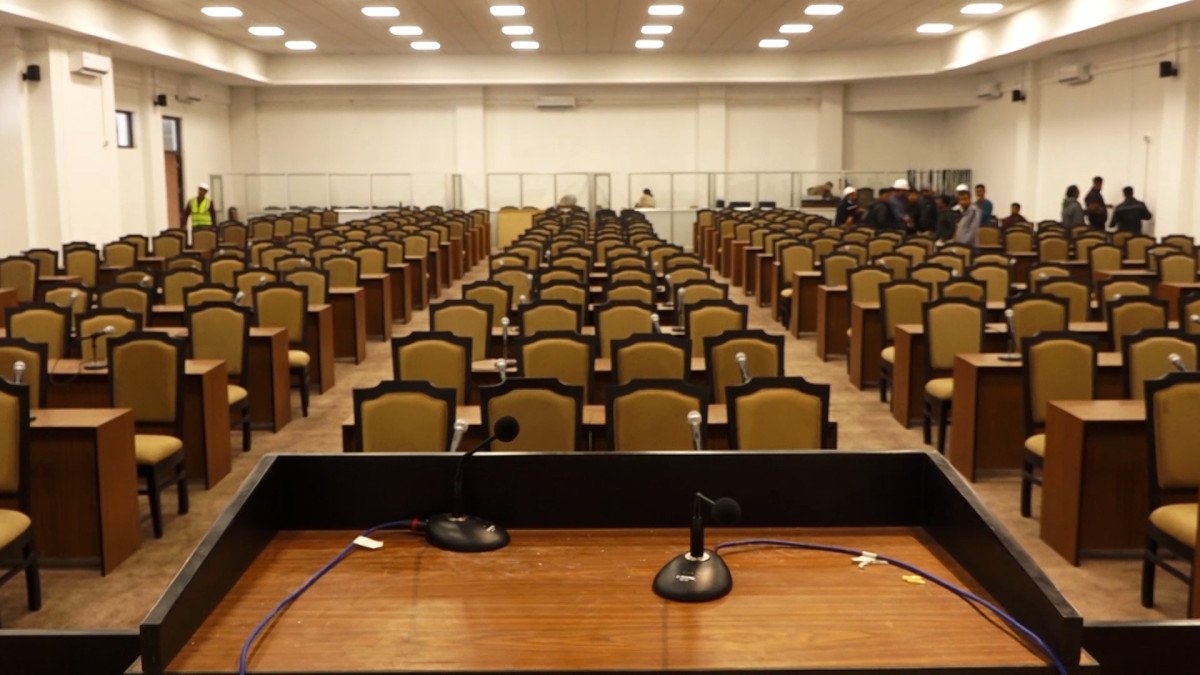
After 17 years, Nepal’s federal parliament is set to reconvene at Singha Durbar, marking a historic shift back to its original location. Since Jestha 2065 BS, following the Constituent Assembly elections, parliamentary sessions had been held خارج the Singha Durbar परिसर due to space constraints.
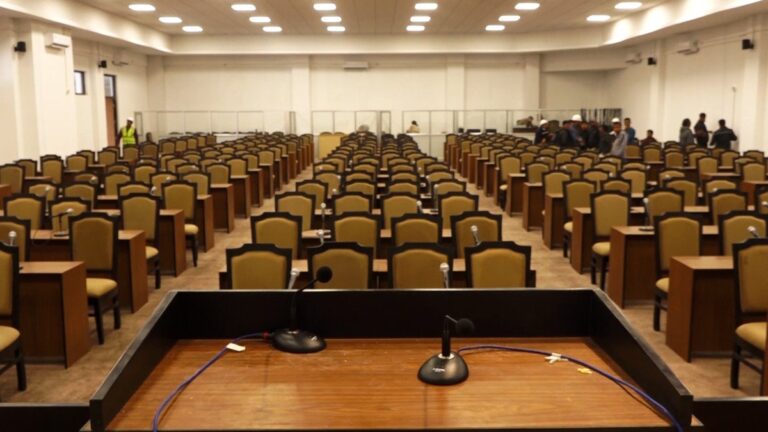
Following the recent House of Representatives elections held on Falgun 21, the parliament will now meet in its newly constructed building within Singha Durbar. The oath-taking ceremony for 275 newly elected members has been scheduled for Chaitra 12 at 2:00 PM in the same complex.
Previously, after the 2064 BS Constituent Assembly election that formed a 601-member body, sessions were moved to the International Convention Centre due to limited space in the old parliamentary building. Before that, Nepal’s parliamentary history, which began in 2016 BS, was centered in the original gallery hall at Singha Durbar.
The return also follows the destruction of the Baneshwor-based convention center during the Gen Z Movement protests in Bhadra, which caused significant fire damage to the भवन. Meanwhile, National Assembly meetings had already been temporarily shifted to Singha Durbar earlier.
The Federal Parliament Secretariat had been paying rent for the convention center since 2065 BS, starting at NPR 56 million annually, which increased by 10% each year to reach NPR 165 million in recent times. After the protests, the agreement with the convention center was terminated.
For now, parliamentary meetings will be conducted in a multipurpose hall within the new complex until the main hall is fully completed. According to officials, most construction work on the new parliament building—initiated on Ashoj 1, 2076 BS at Putali Garden inside Singha Durbar—has been completed, with only some technical work remaining.
President Ram Chandra Paudel is scheduled to administer the oath to the senior-most member, Arjun Narsingh KC, who will then swear in all newly elected members on Chaitra 12.
Once completed, the new parliament complex will house both the House of Representatives and the National Assembly, along with offices, a parliamentary library, and other facilities, becoming the permanent center for Nepal’s federal legislative activities.
About the Author