The Supreme Court is set to hear a writ petition today (Wednesday) filed against the dissolution of the House of Representatives, registered with the signatures of a majority of lawmakers. The court has scheduled the hearing on the demand raised by the petitioners, who submitted the writ to the Supreme Court with signatures of 143 lawmakers, including members of the Nepali Congress and the CPN-UML.
In the 275-member House of Representatives, 138 lawmakers are required to prove a majority for government formation or dissolution. However, the writ submitted to the Supreme Court on Tuesday includes signatures of 143 lawmakers from the Nepali Congress, CPN-UML, Janamat Party, Janata Samajwadi Party, and one independent lawmaker. The petitioners claim that this clearly establishes a majority capable of forming a government if the House is restored.
According to senior advocate and former Attorney General Khamb Bahadur Khati, earlier and newly filed writ petitions on the same issue will be heard together. Previously, the Supreme Court had refused to issue an interim order while hearing separate writs filed by the Nepali Congress and the CPN-UML. The petitioners believe that the presence of a clear majority of lawmakers—either in person or through authorized representatives—will make it easier for the court to deliver a verdict.
The supplementary writ registered on Tuesday carries the signatures of 65 lawmakers from the Nepali Congress, 75 from the CPN-UML, two from the Janata Samajwadi Party (Ashok Rai faction), and one independent lawmaker. The CPN-UML had earlier submitted signatures of its 75 lawmakers following a formal party decision. In addition, JSP lawmaker Hasina Khan, Janamat Party lawmaker Goma Labh Sapkota, and independent lawmaker Yogendra Mandal have also signed in support of restoration.
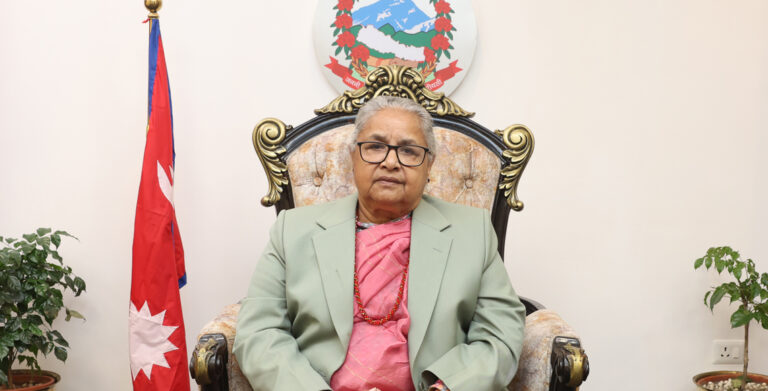
The petitioners have argued that the appointment of former Chief Justice Sushila Karki as Prime Minister, allegedly under the influence of the ‘Gen-Z’ movement held on Bhadra 23 and 24, was unconstitutional. They have demanded the annulment of that appointment, the restoration of the House of Representatives, and the issuance of a mandamus order to initiate the process of selecting a new Prime Minister from within the restored parliament.
About the Author