
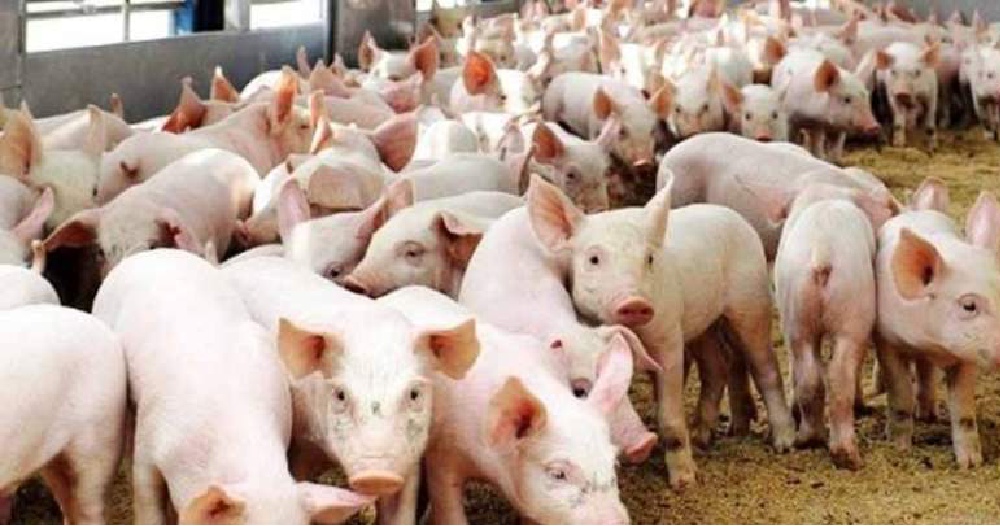
‘African Swine Fever’ has been confirmed in pigs raised in various locations of Kailali and Kanchanpur districts.
The infection was detected after commercially raised pigs began showing symptoms such as high fever, blue and red patches on different parts of the body, and sudden deaths. Samples were collected and tested following these unusual signs.
The Animal Disease Investigation Laboratory in Dhangadhi deployed a Rapid Response Team (RRT) to collect samples locally. Initial testing through the rapid antigen method showed positive results. The samples were then sent to the Central Animal Disease Investigation Laboratory in Kathmandu for further examination, where the disease was confirmed through the PCR method, according to senior veterinary doctor Naresh Prasad Joshi.
So far, the infection has been found in pigs raised by farmers in Dhangadhi Sub-Metropolitan City and Ghodaghodi Municipality of Kailali, as well as Krishnapur Municipality of Kanchanpur.
Dr. Joshi stated that the infection is currently in its early stage. He warned that if farmers fail to adopt timely precautions and implement biosecurity measures, pig farmers could face significant financial losses. Farm owners from where samples were collected have been alerted, and high vigilance has been advised to prevent further spread.
African Swine Fever is a highly contagious and deadly viral disease affecting domestic pigs and wild boars. Although it is not a zoonotic disease and does not spread to humans, the mortality rate in infected pigs can reach up to 100 percent, making it extremely devastating for the livestock sector. Once the infection spreads, entire herds can be wiped out, posing a serious risk to years of farmers’ investment and hard work.
According to livestock officer Ram Prasad Bhatt, infected pigs initially develop a high fever ranging from 104 to 107 degrees Fahrenheit. They stop eating and drinking, appear weak, gather in one place, and show signs of restlessness. One of the major identifying symptoms is the appearance of red or bluish patches caused by internal bleeding, particularly on the tips of the ears, tail, and lower abdomen.
Other symptoms include nasal discharge, vomiting, diarrhea, and difficulty walking. Pigs often die within a few days of showing these signs. While the disease does not pose a direct health risk to humans, its economic impact can be severe, especially for small- and medium-scale farmers.
Dr. Joshi has urged farmers not to hide cases of unusual symptoms or sudden deaths in pigs. Instead, they are requested to immediately contact the nearest livestock service office, veterinary hospital, animal quarantine checkpoint, or animal disease investigation laboratory for prompt action.
About the Author