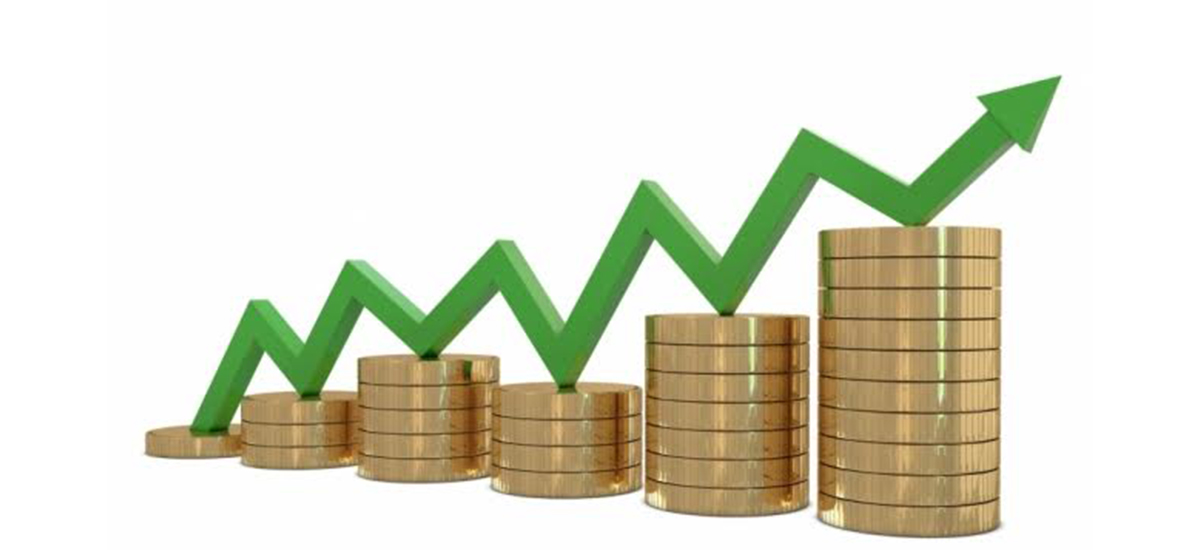
Nepal’s economy has shown signs of improvement in the second quarter of the fiscal year 2082/83. According to preliminary estimates from the National Statistics Office, the Gross Domestic Product (GDP) at basic prices is expected to grow by 4.05% compared to the same period in the previous fiscal year (2081/82).
Although this growth rate is positive compared to recent quarters, it does not yet indicate a strong economic recovery.
Key Drivers of Growth
Several factors contributed to the improved economic performance during this period:
- Increase in electricity generation and distribution
- Improvement in deposit collection and credit flow through the banking system
- Expansion of non-life insurance business
- Moderate growth in agricultural production
- Expansion of trade services
- Recovery in tourism activities
Notably, the service sector played a major role in accelerating overall economic activity.
Factors Limiting Growth
Despite the improvement, growth remained below expectations due to:
- Decline in imports of construction materials
- Reduced paddy production
- Contraction in some industrial outputs
Quarter-on-Quarter Improvement
On a seasonally adjusted basis, GDP increased by 2.04% in the second quarter (Kartik–Poush) compared to the first quarter (Shrawan–Ashoj). This indicates a short-term expansion in economic activities, though the growth remains moderate and insufficient for rapid economic expansion.
Sectoral Performance
Out of 18 industrial sectors, 16 recorded positive growth, while 2 experienced contraction. This suggests that although the economy is expanding, growth is uneven across sectors.
Agriculture Sector
- Growth: 2.48%
Despite lower paddy production, increases in livestock, fruits, vegetables, and forest products kept the sector positive. However, low productivity and lack of modernization remain long-term challenges.
Trade Sector
- Growth: 0.99%
This low growth reflects weak consumer demand, slow credit expansion, reduced purchasing power, and economic uncertainty.
Service Sector (Main Driver)
- Transportation & Storage: 6.20%
- Health & Social Services: 3.98%
- Financial & Insurance: 3.82%
These sectors indicate improving trade activity, logistics, and post-pandemic recovery.
Annual Growth Highlights
- Electricity & Gas: 22.74% (highest contributor)
- Financial & Insurance: 12.51%
- Transportation & Storage: 9.65%
- Hotels & Restaurants: 5.18%
- Trade: 4.11%
Growth in hotels and restaurants reflects a rebound in tourism, supported by rising international arrivals and domestic travel.
Underperforming Sectors
- Water supply, sewerage, and waste management: 0.55%
- Public administration & defense: 1.11%
- Education: 1.16%
- Construction sector remained weak due to reduced imports of construction materials
Slow performance in these sectors highlights limitations in public service expansion and infrastructure development.
Overall Assessment
The data indicates that Nepal’s economy is in a recovery phase, but growth remains moderate, uneven, and not yet sustainable. The economy is currently driven largely by the service sector, while agriculture and industry need strengthening.
Policy Recommendations
Economists suggest several measures to ensure stronger and sustainable growth:
- Increase capital expenditure to boost infrastructure and construction
- Promote private sector investment through easier financial access
- Modernize agriculture and improve productivity
- Promote exports and utilize energy export potential
- Expand tourism and industrial production
Conclusion
While recent improvements are encouraging, structural reforms are essential to sustain long-term economic growth. Without strengthening productive sectors, Nepal risks continued challenges such as trade deficits, unemployment, and import dependency.
About the Author