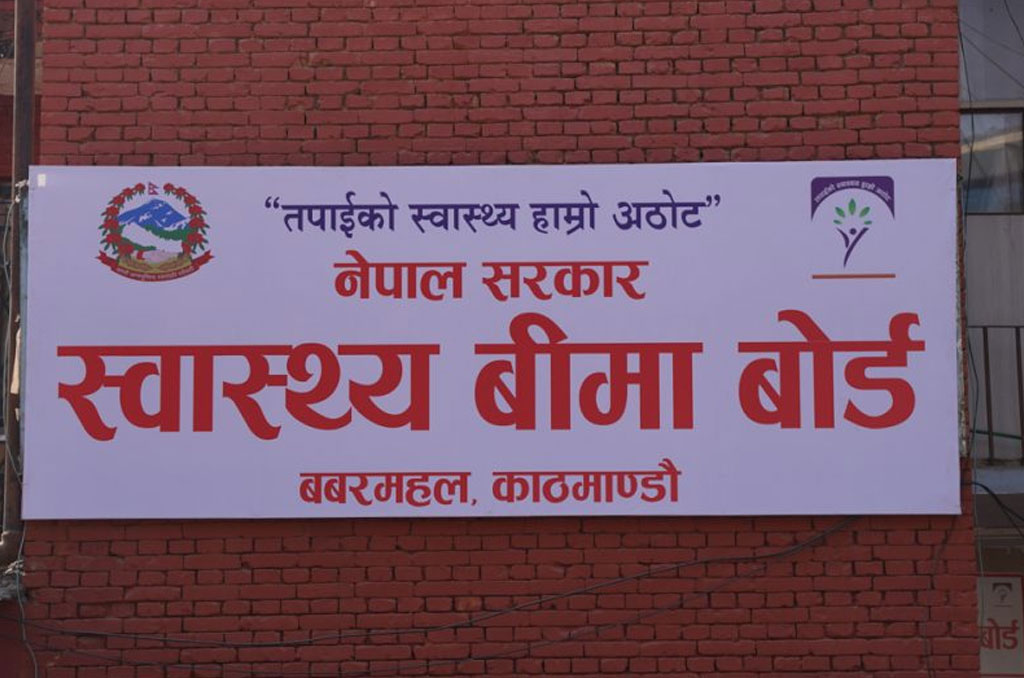
The 10th Health Insurance Day is being observed across Nepal today with various programs and activities. This year’s theme is “State Investment, Citizens’ Contribution: A Shared Campaign for Health Insurance.”
The health insurance program is a key social security initiative introduced by the government to provide financial protection by managing the risk of unexpected healthcare expenses in advance. It aims to ensure affordable and quality healthcare services for all citizens while improving overall access to medical care.
Launched in 2015 (2072 BS) as a social health protection program, it is currently being implemented by the Health Insurance Board. The program is designed to guarantee universal access to healthcare based on social health insurance principles.
Officials state that the initiative plays an important role in advancing Nepal toward universal health coverage and contributes to achieving the Sustainable Development Goals (SDGs) by 2030.
The Constitution of Nepal guarantees the right to basic healthcare as a fundamental right and ensures social security for citizens. Article 51 (j) of the Constitution highlights the state’s responsibility to ensure citizens’ access to healthcare through health insurance.
To safeguard citizens’ right to quality healthcare, reduce financial risks through prepayment mechanisms, and enhance the efficiency and accountability of service providers, the Health Insurance Act was enacted in 2017 (2074 BS).
Further strengthening the program, the Health Insurance Regulations 2018 (2075 BS) have expanded benefits significantly. The benefits package has been doubled, and senior citizens are provided with insurance coverage worth NPR 100,000 annually, with the government paying their premiums. Additionally, all organized sector employees are required to contribute 1% of their income to be enrolled in the insurance scheme, according to the board.
About the Author