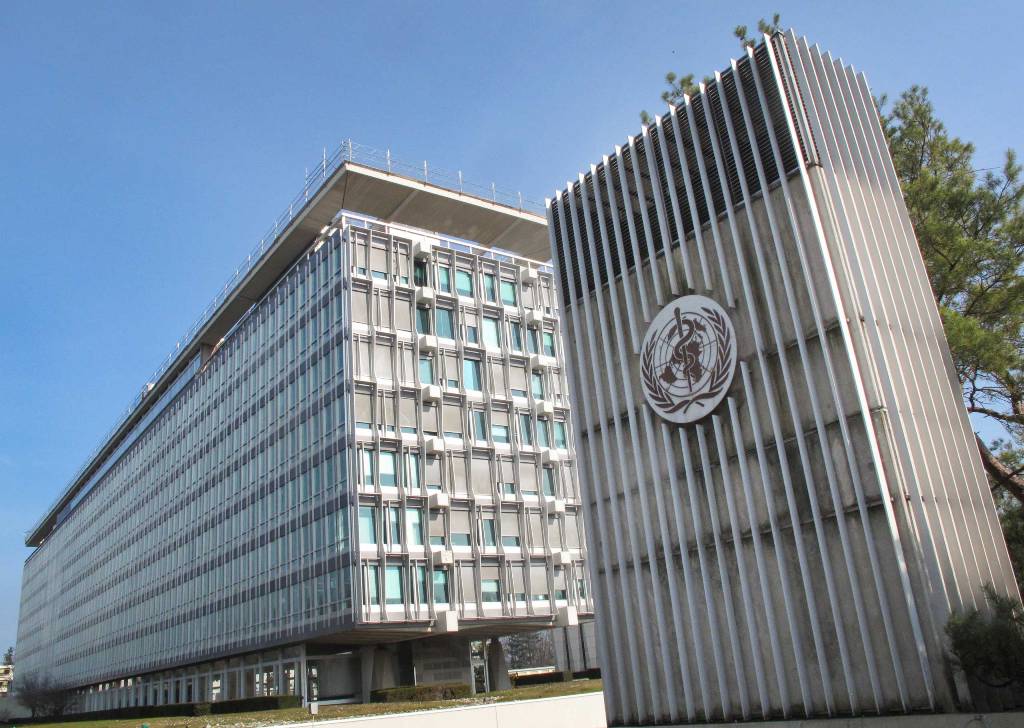
This Wednesday, March 11, 2015 photo shows the World Health Organization (WHO) headquarters building in Geneva, Switzerland. In a delay that some say may have cost lives, the World Health Organization resisted calling the Ebola outbreak in West Africa a public health emergency until the summer of 2014, two months after staff raised the possibility and long after a senior manager called for a drastic change in strategy, The Associated Press has learned. (AP Photo/Raphael Satter)
The United States officially withdrew from the World Health Organization (WHO) on Thursday, announcing its decision to end membership after accusing the global health body of failing to properly manage the COVID-19 pandemic and of not implementing necessary reforms.
US President Donald Trump had already informed the United Nations of the decision to leave the WHO through an executive order issued on the first day of January 2025. According to US law, a one-year notice period is required to terminate membership, which has now been completed.
The United States stated that it will no longer provide substantial support to the WHO and will instead pursue direct partnerships with other countries to monitor and control diseases spreading worldwide. It also clarified that there is no plan to rejoin the organization.
The decision is expected to have a significant impact on global health efforts. For decades, the WHO has coordinated worldwide disease surveillance, pandemic preparedness, vaccination programs, and rapid responses during health emergencies. The United States had been the largest financial contributor to many of these programs.
Experts warn that the move could weaken global health systems, create challenges in detecting and preventing pandemics and diseases, and disrupt international cooperation.
Despite withdrawing from the WHO, various reports indicate that the US government still has outstanding dues of approximately 260 million US dollars owed to the organization, raising the possibility of legal disputes.
About the Author