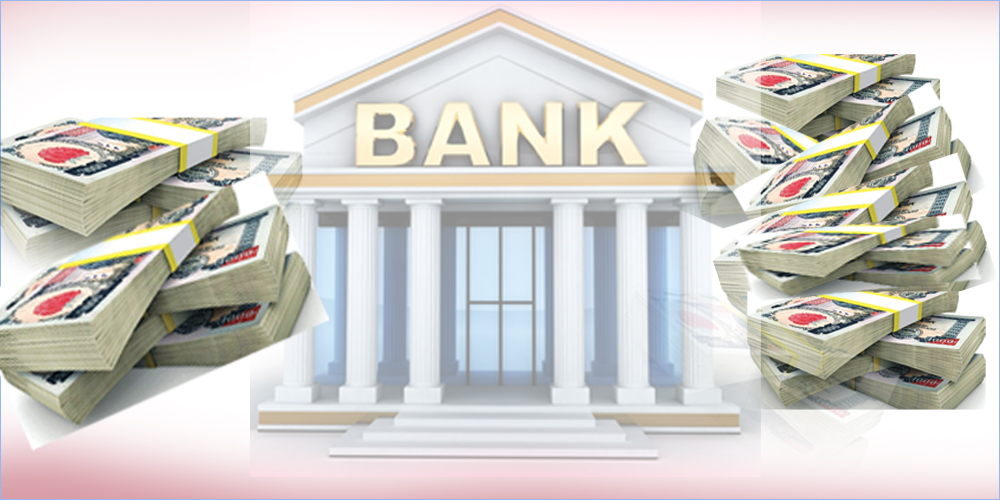
Excess liquidity management has emerged as a major challenge currently facing the overall banking and financial sector.
Deposits collected from the general public across commercial banks, development banks, and finance companies have reached an all-time high. According to Nepal Rastra Bank spokesperson Guru Paudel, around Rs 900 billion is currently available in the banking system for potential investment.
Despite interest rates remaining at low levels, loan demand has not improved as expected, increasing challenges in the sector. With weak demand for credit in the market and rising risks, banks have tightened lending, leading to further accumulation of deposits. As investable funds in banks exceed market demand, the situation has been described as one where the state appears poor despite having sufficient money.
Improvement in remittance inflows in recent times has further contributed to the continued rise in deposits. While excessive deposits are unlikely to push banks into losses or collapse, Paudel notes that they do pose challenges for capital growth.
He says, “Excessive deposits are a matter of concern for banks, but banks can still earn profits by investing in various sectors.” The central bank is making efforts to encourage credit flow by motivating entrepreneurs through different schemes and programs.
Political instability, periodic protests, frequent changes in government, and government policies and programs have also been found to affect the regular operations of banks to some extent.
Banks must move forward by making the best possible use of such opportunities. Expanding investment and providing services aligned with public expectations to satisfy customers will drive financial activities and energize the national economy. Banks enjoy strong public trust among Nepali citizens.
By pooling capital scattered across small units nationwide, banks invest in various productive sectors. They are also supporting people who wish to operate micro-enterprises by making proper use of local resources.
About the Author