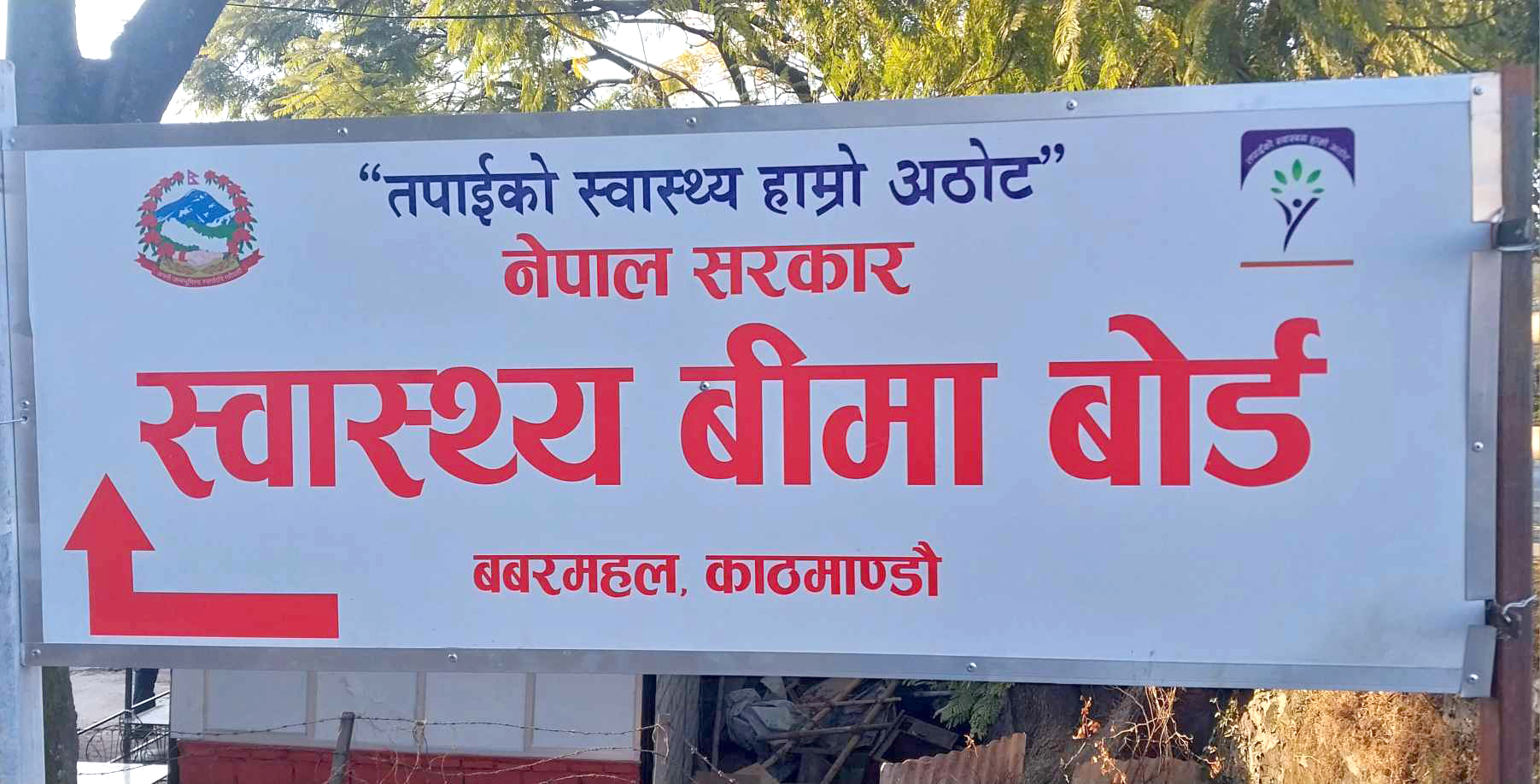
From now on, insured individuals under Nepal’s health insurance scheme will be eligible to receive outpatient (OPD) services only up to a maximum of NPR 25,000. The Health Insurance Board has introduced this new provision to control rising financial pressure on the insurance program.
According to Board Information Officer Bikesh Malla, a recent board meeting decided to limit OPD services for insured members to NPR 25,000. The rule will come into effect from Falgun 1. Until now, insured patients were allowed to spend any amount on OPD services under the scheme. However, from Falgun 1 onward, if OPD expenses exceed NPR 25,000, patients will have to bear the additional cost themselves.
Malla clarified that this does not mean insured individuals will be deprived of other services. The remaining insurance coverage can still be used for inpatient treatment, ICU care, and other hospital-based services as per existing provisions.
The board said the decision was taken to manage the growing financial burden of the insurance program. According to board data, as much as 71 percent of total insurance spending has been used for OPD services, with the remaining amount spent on hospitalization and emergency treatment.
With the introduction of the OPD cap, the board believes misuse of insurance services will decrease. Earlier, the board had also directed all health institutions affiliated with the insurance program not to make unnecessary referrals of patients.
The health insurance program incurs an annual expenditure of more than NPR 24 billion. However, the government has allocated only NPR 10 billion in subsidies to the board in the current fiscal year. The board is required to pay more than NPR 2 billion every month to service provider institutions. According to board statistics, around NPR 4 billion has been collected from insurance premiums, bringing the total annual income to approximately NPR 14 billion, while expenses exceed NPR 24 billion. The widening gap between income and expenditure has made it increasingly challenging to operate the program.
Due to prolonged delays in payments, several major service provider institutions have already withdrawn from the insurance program, while others have announced plans to exit after a certain period.
Currently, by paying an annual premium of NPR 3,500, up to five family members can receive treatment services worth up to NPR 100,000 per year under the health insurance scheme. The government launched the health insurance program in 2015 (2072 BS) with the objective of bringing all citizens under health insurance coverage.
About the Author