Minister for Labor, Employment and Social Security Rajendra Singh Bhandari has announced that procedures such as the so-called “free visa ticket,” orientation programs, training, and similar mechanisms allegedly used to defraud workers will be scrapped within a month.
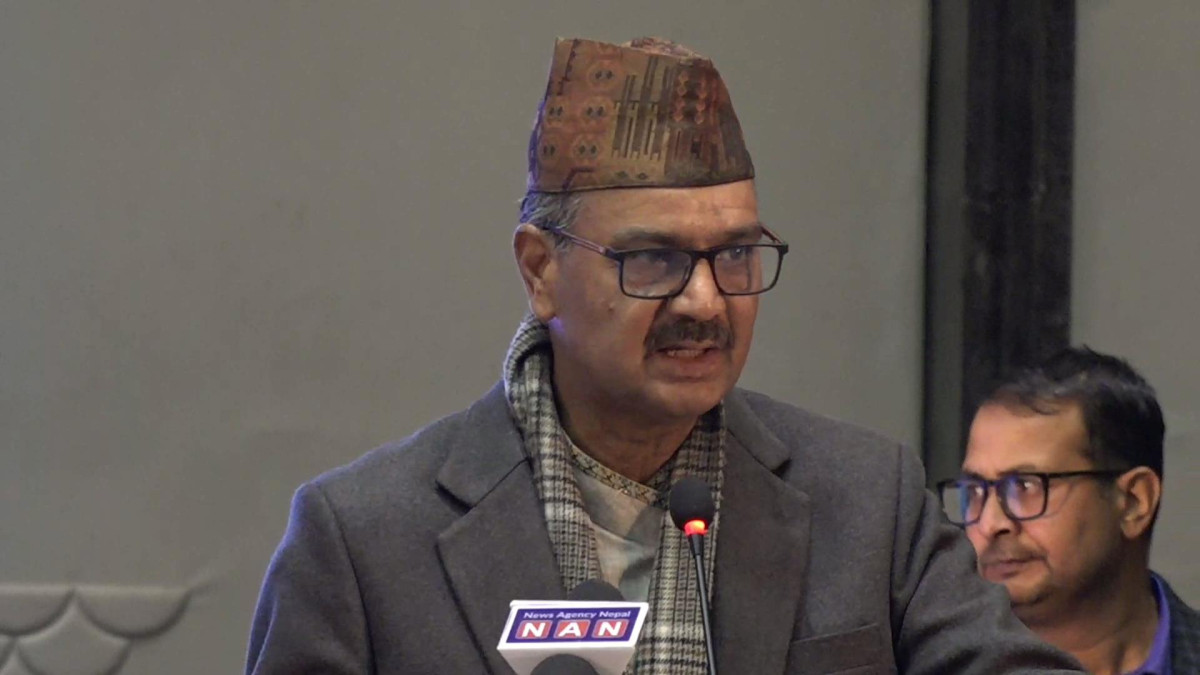
Stating that all forms of “syndicates” operating in the name of workers must be dismantled during his tenure, Minister Bhandari said the decision was taken to abolish procedures that have been trapping and harassing workers under various pretexts. He made the remarks while addressing a mid-term progress review of the current fiscal year organized at the ministry on Tuesday, involving bodies under the ministry.
The minister said that workers have long been subjected to hardship by citing policies and regulations, and reiterated his commitment to eliminating all such syndicates during his term. He noted that within weeks of assuming office, he had already scrapped excessive fees charged for health examinations related to foreign employment. He added that the ministry is preparing arrangements for sending workers abroad directly through labor permits, providing free health checkups, and conducting orientation training under the ministry itself.
The mid-term review discussed the ministry’s overall performance, during which representatives from departments and divisions under the ministry presented their work progress up to the month of Poush.
Speaking at the program, Vice-Chairperson of the National Planning Commission Dr. Prakash Kumar Shrestha pointed out duplication of work plans across departments and divisions and suggested consolidating them. He stressed that duplicate budget allocations for the same activities should be merged and redirected to other necessary areas.
Similarly, Ministry Secretary Dr. Deepak Kafle directed departments to accelerate program implementation, noting that the ministry has spent just over 16 percent of its allocated budget so far in the current fiscal year. He also raised concerns over the effectiveness of the ‘SaMi’ project, implemented jointly by the Government of Nepal and the Swiss government for workers’ welfare, and said it should be reviewed and refocused on performance.
About the Author